
Introduction: The Booming Solar Street Lights Export from China to Africa in 2026
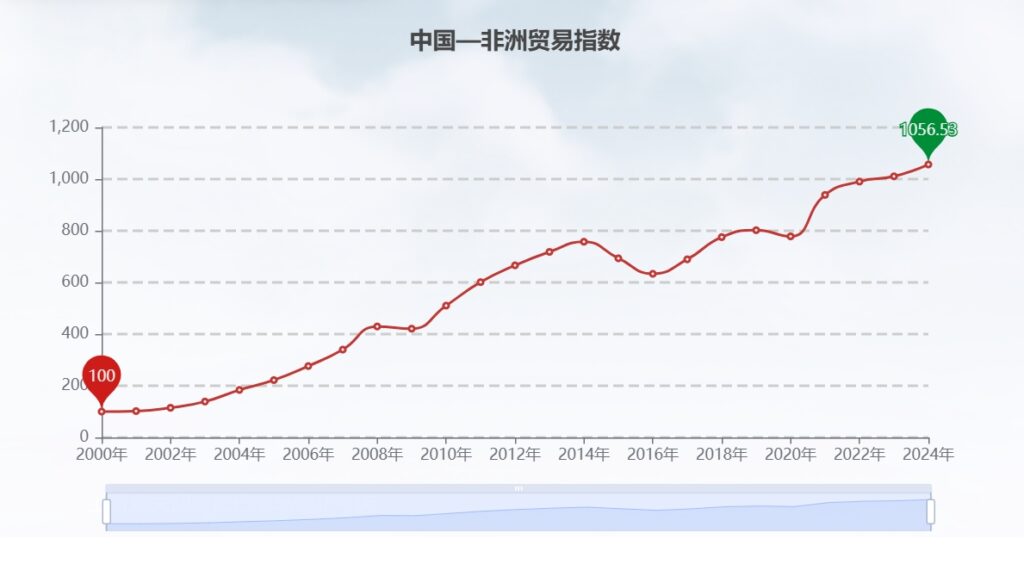
In 2025, China’s exports to Africa surged, with solar products like solar street lights leading the charge. Data from the General Administration of Customs (September 8, 2025) shows China’s total exports grew 3.5%, but to Africa by 25.9%—far outpacing other regions. Bloomberg (August 26, 2025) reports China’s exports to Africa reached $122 billion year-to-date, projected over $200 billion annually, while US exports declined 13.5%.
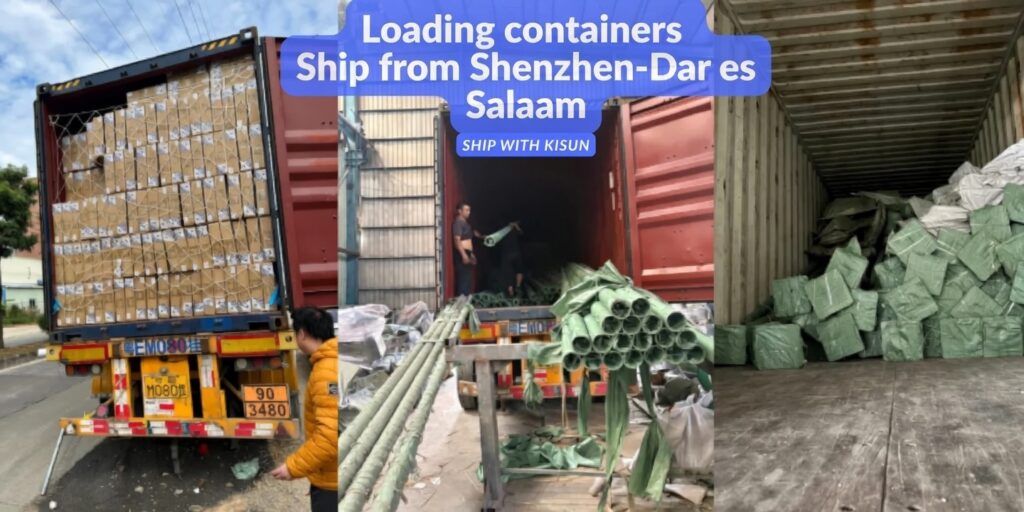
At Kisun Shipping, we’ve seen this firsthand: Since 2024, African clients book full container loads (FCL) of solar street lights, panels, and related equipment—often 50% of our containers. Destinations concentrate in Tanzania (Dar es Salaam), Dakar (Senegal), Conakry (Guinea), and Tema (Ghana). Unlike low-margin Europe/USA routes ($50/container hard), Africa offers high-volume, profitable orders (at least one FCL per shipment).
Many Chinese suppliers have shifted from Southeast Asia to Africa, achieving record success. This guide explores the 2026 prospects for solar street lights export from China to Africa, logistics tips, and opportunities for B2B importers or businesses entering Africa.
(For specialized Africa shipping services, visit our seamless shipping from China to Africa.)
Why Solar Street Lights Export from China to Africa is Booming in 2026
Africa’s demand for solar street lights from China stems from infrastructure needs, energy access gaps, and government initiatives.
Key Drivers for Solar Street Lights Import to Africa:
- Infrastructure & Urbanization: Rapid growth requires reliable off-grid lighting; solar street lights ideal for roads, communities.
- Government Tenders & Projects: Tanzania, Senegal, Guinea, Ghana launch large-scale solar lighting initiatives (e.g., thousands of units per project).
- Cost-Effective Chinese Supply: Competitive pricing, high quality, fast production—suppliers pivot from tariff-hit markets.
- Energy Access Goals: Over 600 million Africans lack electricity; solar street lights provide sustainable solutions.
In 2025, solar product imports (including street lights) surged, positioning 2026 as a peak year for full container load solar street lights from China to Africa.
Key Markets for Solar Street Lights Export from China to Africa
Tanzania (Dar es Salaam Port): Major hub for East Africa solar street lights import from China. Government tenders for thousands of units in rural/urban projects.
Dakar, Senegal: West Africa gateway; growing solar lighting projects for ports, roads, and communities.
Conakry, Guinea: Emerging demand for mining/infrastructure; large FCL shipments of solar street lights from China.
Tema, Ghana: Busy port for West Africa; high-volume imports of solar products, including street lights for national initiatives.
These ports see consistent FCL bookings—profit margins far better than saturated routes.
| Destination Port | Country | Primary Cargo Focus | Kisun Shipping Advantage |
| Dar es Salaam | Tanzania | Solar Panels, Mining Gear | Fast inland transit to East Africa |
| Dakar | Senegal | Solar Street Lights, Construction | Direct sailings, streamlined clearance |
| Conakry | Guinea | Mining Equipment, Solar Infrastructure | Specialized heavy-lift handling |
| Tema | Ghana | Consumer Goods, Solar Lighting | Reliable DDU/DDP options available |
Logistics Guide: Shipping Solar Street Lights from China to Africa
Solar street lights typically ship in full container loads (FCL) due to volume—20GP/40HQ common.
FCL vs LCL for Solar Street Lights Export from China to Africa:
- FCL Recommended: Dedicated container for security, faster transit (25-45 days to Africa ports).
- Routes: Shenzhen/Ningbo/Shanghai to Dar es Salaam, Dakar, Conakry, Tema.
At Kisun Shipping, we specialize in Africa routes—offering reliable FCL, LCL, and door-to-door options, along with customs expertise.
Costs (2026 Estimates): Competitive for high-volume; contact for latest.
| Destination Port | 20GP Rate (USD, approx.) | 40HQ Rate (USD, approx.) | Transit Time |
|---|---|---|---|
| Dar es Salaam (Tanzania) | 2,500 – 3,500 | 3,500 – 5,000 | 25-35 days |
| Dakar (Senegal) | 3,000 – 5,000 | 3,000 – 5,500 | 35-45 days |
| Conakry (Guinea) | 3,500 – 6,000 | 3,500 – 6,500 | 40-50 days |
| Tema (Ghana) | 2,500 – 3,500 | 2,200 – 3,500 | 30-40 days |
Note: These are baseline rates. For latest cost, please contact us for a customized quote.
The Kisun Edge: How We Support B2B Buyers in Africa
The African market is potential-rich but logistically complex. Choosing the wrong partner can lead to port congestion delays and unexpected surcharges. Here is how we ensure your solar street light business stays profitable:
1. FCL Expertise for High-Volume Buyers
Most of our African clients import Full Containers (20GP/40HQ). We negotiate directly with carriers to ensure you aren’t paying “USA-style” premium rates for Africa lanes. Our goal is to protect your per-unit profit margin.
2. Supplier Consolidation & Vetting
Many successful solar exporters have shifted their focus from Southeast Asia to Africa. We work with the most reliable solar manufacturers in China. If you are buying from multiple factories, we can consolidate your cargo into a single FCL to save you thousands in redundant port fees.
3. “Boots on the Ground” Knowledge
We understand the specific documentation required for ports like Conakry and Tema. Whether it’s a CTN/BESC (Cargo Tracking Note) or specific inspection certificates, we handle the bureaucracy so you can focus on selling.
Critical Compliance: Shipping Lithium Batteries to Africa
Since solar street lights are powered by integrated lithium batteries (usually LiFePO4 or Li-ion), they are classified as Dangerous Goods (DG) under international maritime law. To avoid customs seizures or heavy fines in ports like Conakry or Dar es Salaam, you must ensure the following documentation is 100% accurate:
- UN38.3 Test Report: This is non-negotiable. It proves that the battery has passed rigorous safety tests for altitude, thermal, vibration, and shock.
- MSDS (Material Safety Data Sheet): Your supplier must provide a current MSDS that details the chemical composition and emergency handling procedures.
- Safe Transport Appraisal: Many carriers moving cargo to Africa now require an official “Appraisal Report for Safe Transport of Goods by Sea” issued by a recognized third-party laboratory (such as the Shanghai Institute of Chemical Industry).
- Correct Labeling & Packaging: The outer cartons must display the Class 9 Dangerous Goods label and the UN number (typically UN3481 for batteries contained in equipment).
Kisun Pro-Tip: When you talk with China suppliers, if their product has no certificates and reports above, you can just pass them, they are not professional. And the African port authorities are increasing inspections to prevent fire hazards in warehouses. Never attempt to declare solar street lights as “General Cargo” to save on freight costs. If discovered, your container could be blacklisted, and the resulting fines will far outweigh any initial savings.
Strategic Advice: Is it Time to Pivot to Africa?
The unstable tariff policies in the United States have made it a risky “eggs-in-one-basket” market. In contrast, Africa has become the “Safety Valve” and a new growth engine for Chinese manufacturing.
If you are a B2B buyer or an entrepreneur looking for a market where demand is high and competition is still manageable, solar energy in Africa is your best bet in 2026.
Frequently Asked Questions (FAQ) on Solar Street Lights Export from China to Africa 2026
Why is solar street lights export from China to Africa growing so fast in 2026? China’s exports to Africa rose 25.9% in early 2025 (Customs data), driven by infrastructure projects, government tenders, and off-grid lighting needs. Africa offers high-volume FCL orders with better margins than Europe/USA.
What are the key destinations for solar street lights import to Africa from China?
Major ports include Dar es Salaam (Tanzania), Dakar (Senegal), Conakry (Guinea), and Tema (Ghana)—concentrated for East/West Africa projects.
Is FCL or LCL better for solar street lights shipping from China to Africa?
FCL (full container load) is recommended—most orders are at least one whole container for volume and cost efficiency.How long does shipping solar street lights from China to Africa take?
Sea freight: 25-45 days depending on port (e.g., Shenzhen to Dar es Salaam ~30 days). Avoid Chinese New Year for delays.What are typical freight costs for solar street lights export from China to Africa?
Competitive for FCL; contact for quotes based on volume/port. Africa routes often more profitable than low-margin USA/Europe.Do solar street lights from China require special packaging for Africa shipping?
Yes—use shockproof, moisture-proof crates with protection modules for long transit and rough handling.What customs documents are needed for importing solar street lights to Africa from China?
Commercial invoice, packing list, bill of lading, Certificate of Origin (if required). DDP services handle this.Are there tariffs or duties on solar street lights import to Africa from China?
Varies by country (e.g., Tanzania/Senegal exemptions for solar products in some projects). Check local regulations; we assist with compliance.How to find reliable suppliers for solar street lights export from China?
Many have shifted focus to Africa—high quality, fast production. We connect with vetted factories.Can I get door-to-door service for solar street lights from China to Africa?
Yes—our specialty via Africa routes. Includes FCL, LCL, customs clearance, and delivery.Final Thoughts: Seize the 2026 Solar Street Lights Boom to Africa
Africa is China’s new growth market for solar street lights export—high demand in Tanzania, Dakar Senegal, Conakry Guinea, Tema Ghana. For reliable FCL shipping from China to Africa, choose Kisun Shipping.
Interested in importing solar street lights to Africa? Contact us for free quotes and supplier recommendations.

China Logistics Expert
About the Author
Katherine Kang is a China-based logistics consultant with over 11 years of experience in international trade and freight forwarding. Specializing in helping SMEs import from China to the USA, Canada, and Europe, she focuses on compliant, cost-effective solutions to avoid delays, tariffs, and hidden fees. From anti-dumping guidance to CNY planning, Katherine has managed hundreds of shipments, saving clients 15-30% on average.
Connect with Katherine on LinkedIn or contact Kisun Shipping for a free import consultation.