
Shipping from China to the UK: The Definitive 2026 Logistics Guide for Importers
The landscape of China-UK trade is undergoing a historic “reset.” In late January 2026, British Prime Minister Keir Starmer’s state visit to Beijing—the first by a UK leader in eight years—signaled a new era of pragmatic economic cooperation.
For British importers and UK-based Amazon sellers, this isn’t just political theater; it’s a massive signal of market stability. In 2025 alone, bilateral trade volume surged to 742.2 billion yuan (RMB), with China’s exports to the UK growing by 8.5%. As the UK’s primary supplier, China remains the backbone of the British retail and industrial sectors.
However, shipping in 2026 isn’t as simple as it was five years ago. From the Cape of Good Hope detours to post-Brexit VAT complexities, you need a partner who understands the nuances. This guide is your roadmap to navigating the 2,000-mile journey from China’s factory floors to UK doorsteps.
Choosing Your Mode – Sea, Air, or Rail? (2026 Context)
The “best” way to ship is no longer just about price; it’s about geopolitical resilience. Since early 2026, instability in the Middle East has continued to affect the Suez Canal, forcing most sea freight to take the long way around Africa.
1. Sea Freight: The Long Haul (LCL & FCL)
Currently, sea freight is the most cost-effective yet most delayed mode.
- The 2026 Reality: Ships are rounding the Cape of Good Hope. Expect a transit time of 45 to 50 days to major ports like Felixstowe or Southampton.
- FCL (Full Container Load): Best for large shipments (20ft/40ft containers).
- LCL (Less than Container Load): Ideal for smaller volumes (1-15 CBM).
- Target: For cost-sensitive businesses with high inventory buffers.
- Learn more about our Sea Freight Services.
2. Air Freight: The Rapid Response
When “time is money,” air freight remains king.
- Transit Time: 3–7 working days.
- Cost: Highest among all modes.
- Ideal for: High-value electronics, fashion samples, or restocking “Best Sellers” on Amazon UK.
3. Rail Freight: The “Iron Silk Road”
Rail serves as the middle ground between sea and air.
- Transit Time: 18–25 days.
- Cost: 50% cheaper than air, 40% faster than sea.
- Note: Excellent for heavy industrial parts or dense consumer goods bound for Manchester or London terminals.
2026 China-to-UK Freight Comparison Matrix
| Shipping Mode | Typical Transit Time (2026) | Best For… | Cost Level |
| Express (DHL/UPS) | 3-5 Days | Small parcels (<100kg) | ⭐⭐⭐⭐⭐ |
| Air Freight | 5-9 Days | Urgent/High-value goods | ⭐⭐⭐⭐ |
| Rail Freight | 18-25 Days | Mid-size shipments | ⭐⭐⭐ |
| Sea Freight | 45-50 Days | Heavy/Bulk inventory | ⭐ |
(Want a deep dive into cost vs. speed? Check our Sea vs. Air vs. Rail Comparison Guide)
How to Choose the Best Shipping Method from China to UK in 2026
Decision Framework:
- Budget Priority: Sea for >15 CBM.
- Speed Priority: Air for <500kg urgent.
- Balance/Green: Rail for Europe-UK.
Case: A client switched to rail post-Red Sea, saving 20% time vs sea (Kisun 2025 data).
Package Requirements for Shipping from China to UK
Proper packaging reduces damage claims by 40% (DHL Resilience360 Report, 2025).
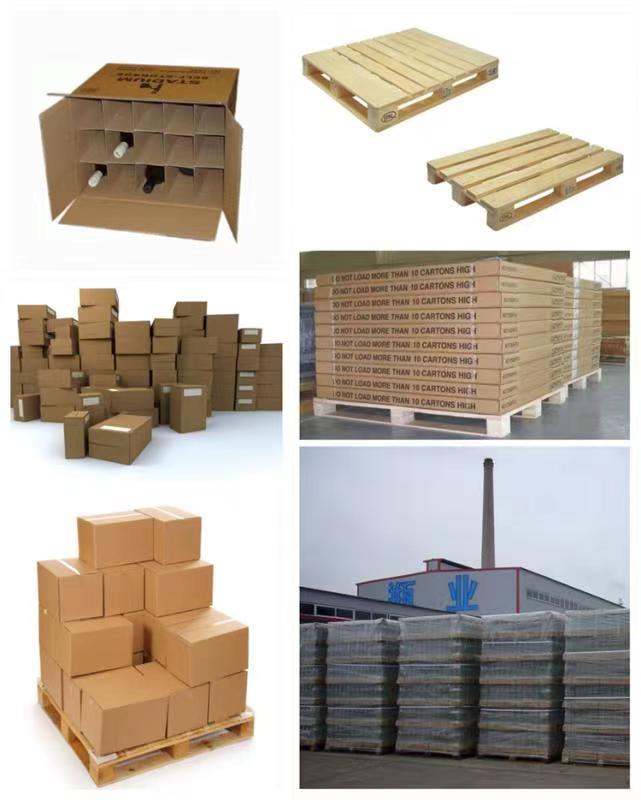
Best Practices to Protect Goods:
- Fragile Items: Inner foam/bubble wrap, double-walled boxes, “FRAGILE” labels.
- Palletization: Standard pallets (120x80cm), shrink-wrap, photos pre-loading.
- Moisture-Proof: Desiccants for sea; vacuum seal electronics.
Size & Weight Limits:
- Sea (FCL): 20GP max 28 tons; each package <2 tons for handling.
- Air: Per piece <150kg, dimensions <300x200x160cm (IATA standards).
- Rail: Similar to sea, but <2.5m height for tunnels.
- Door-to-Door (DDP): Boxes <30kg, 100x70x60cm.
Unsure? Contact us for a free packaging review.
Navigating UK Customs, VAT, and EORI (2026 Update)
Since Brexit, the UK has its own independent customs regime. Missing a single document can result in your cargo being held at Felixstowe for weeks, accruing massive storage fees.
1. The EORI Number
Every UK business importing from China must have an Economic Operator Registration and Identification (EORI) number starting with “GB.” Without this, you cannot clear customs.
2. VAT and Duties
- Standard VAT: 20% on the “Landed Cost” (Goods + Shipping + Insurance + Duty).
- Postponed VAT Accounting (PVA): This is a massive cash-flow benefit for UK VAT-registered businesses. You can account for and pay the import VAT on your periodic VAT return rather than paying it upfront at the port.
3. Prohibited and Restricted Items
The UK is particularly strict about:
- Counterfeit Goods: (See our warnings on Saudi/Global Counterfeit Risks).
- Lithium Batteries: Must have UN38.3 test reports.
- Wooden Packaging: Must be heat-treated and carry the ISPM 15 stamp to avoid immediate destruction by UK Port Health.
Strategic Sourcing Trends – Why the UK is Buying More from China
As Keir Starmer’s 2026 visit suggested, the UK is looking to China for “Green Transition” technology. We are seeing a massive uptick in:
- Solar Panels & EV Infrastructure: China dominates the supply chain for the UK’s 2030 Net Zero goals.
- Consumer Electronics: Despite global shifts, Shenzhen remains the “Silicon Valley of Hardware” for the UK market.
- Sustainable Textiles: Recycled polyester and organic cotton from China are flooding the UK high street.
Frequently Asked Questions(FAQ) about Shipping China to UK
Q1: Can Kisun Shipping handle DDP (Delivered Duty Paid) to the UK?

A: Yes! Our UK DDP Service is perfect for Amazon FBA sellers and e-commerce entrepreneurs. We handle the sea/air freight, UK customs, and VAT/Duties, delivering directly to your warehouse or Amazon center. You get one all-inclusive invoice.
Q2: How much does shipping from China to UK cost in 2026?
A: Rates fluctuate weekly due to fuel and the Cape of Good Hope detour. Currently, sea freight LCL ranges from $80-$150/CBM, while air freight is approximately $5-$9/kg. For an exact quote, visit our UK Services Page.Q3: What happens if my goods are damaged?
A: We strongly recommend Marine Insurance (usually 0.3~0.5% of cargo value). If you have pre-departure photos (as we advise in Part 3), the claims process with the insurance provider is much smoother.Q4: Prohibited items UK import from China?
A: Counterfeits, weapons, certain foods — check HMRC.Q5: Best ports UK for China imports?
A: Southampton/Felixstowe for sea, Heathrow for air.Conclusion: Your 2026 Success Starts with Reliable Logistics
Shipping from China to the UK in 2026 is no longer a “set and forget” task. It requires a deep understanding of geopolitical shifts, packaging standards, and HMRC compliance. Whether you are a veteran importer or a new brand owner, Kisun Shipping is here to ensure your goods don’t just “leave China” but “arrive in the UK” safely and on time.
Ready to optimize your UK supply chain? 👉 Visit our China-to-UK Service Page for a real-time quote, or Contact our UK Desk to discuss your 2026 shipping strategy.

China Logistics Expert
About the Author
Katherine Kang is a China-based logistics consultant with over 11 years of experience in international trade and freight forwarding. Specializing in helping SMEs import from China to the USA, Canada, and Europe, she focuses on compliant, cost-effective solutions to avoid delays, tariffs, and hidden fees. From anti-dumping guidance to CNY planning, Katherine has managed hundreds of shipments, saving clients 15-30% on average.
Connect with Katherine on LinkedIn or contact Kisun Shipping for a free import consultation.